Civics 101: What is City Government?

Updated: 2 days ago
Welcome to the first edition of Civics 101!
This series is all about making the government a little less confusing and a lot more understandable.
For our first edition, we're starting at home.
City Government.
You probably interact with your city government more than you realize. You drive on city streets. You throw away your trash. You visit city parks. You call the police or fire department when there's an emergency. Maybe you've gone to a city event or used a city library.
But who actually makes all of that happen?
Let's break it down.
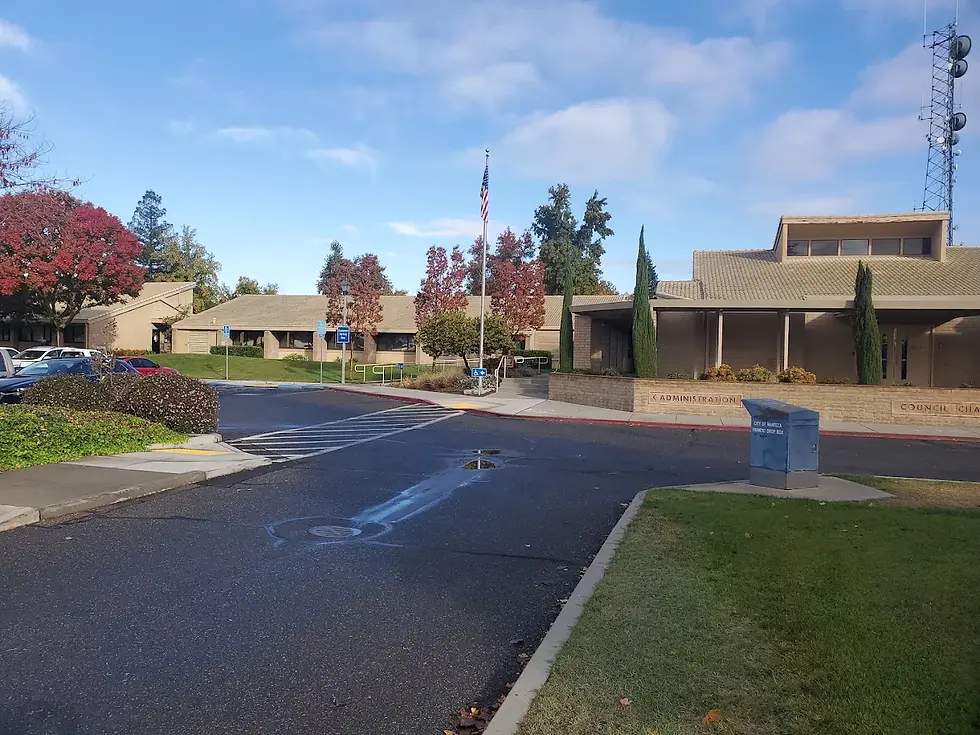
So, What Is City Government?
The government that has the most direct impact on your everyday life is often the government closest to you.
City governments are responsible for providing many of the services and making many of the decisions that shape your community. Depending on where you live, that can include things like roads, parks, public safety, trash collection, water, planning, building permits, and more.
So who is actually in charge?
Well, it's a little more complicated than you might think.
The City Council
At the center of most city governments is the City Council.
The City Council is made up of elected officials who are chosen by voters to represent the community. The exact structure varies from city to city. Some cities elect council members by district, while others elect them at large.
Some have a mayor who is directly elected by voters, while others have the council select a mayor from among its members.
But generally, the City Council is responsible for making major policy decisions for the city.
Think of them as the people who help decide where the city is going.
The City Council votes on things like:
City laws and ordinances
The city budget
Taxes and fees
Development and land use
Contracts
Major public projects
Public safety priorities
Long-term plans for the city
They also hold public meetings where residents can learn about what's happening and, in many cases, speak directly to their elected representatives.
This is one of the most important things to understand about local government:
You don't have to be a politician to participate in it.
You can attend a City Council meeting. You can contact your council member. You can speak during public comment. You can advocate for an issue. And, if you're eligible, you can vote.
The Mayor
Then there's the mayor.
The role of the mayor can look very different depending on the city.
In some cities, the mayor is directly elected by voters and serves as the city's chief elected official. In others, the mayor is selected by the City Council from among its members and may have a role that is more ceremonial.
The mayor may preside over City Council meetings, represent the city at public events, work with other levels of government, and help set the city's priorities.
But here's something important:
The mayor isn't necessarily the city's boss.
In many California cities, especially in the Central Valley, the mayor and City Council are part of a council-manager form of government.
In this system, the elected officials set policy, while a professional city manager oversees the day-to-day operations of the city.
Which brings us to...
The City Manager
The city manager is often the person responsible for making sure the decisions of the City Council actually get carried out.
While the City Council focuses on policy and the direction of the city, the city manager generally oversees the city's day-to-day administration.
Think of it this way:
The City Council decides where the city wants to go.
The City Manager helps figure out how to get there.
The city manager typically oversees city staff and departments, prepares and administers the city budget, implements policies adopted by the City Council, and manages the city's operations.
The city manager usually works with department heads across the city, including departments such as:
Public Works
Finance
Engineering
Community Development
Parks and Recreation
Human Resources
Police
Fire
The exact organization varies by city, but the basic idea is the same: elected officials make policy decisions, and professional staff help put those decisions into action.
What About the Police and Fire Departments?
You might be wondering: If the city manager oversees city operations, does that mean the city manager is the police chief or fire chief?
No.
Most departments have their own leadership.
The police chief generally oversees the police department.
The fire chief generally oversees the fire department.
The public works director oversees public works.
The finance director oversees the city's finances.
These department leaders typically manage their own departments and staff while working within the broader structure of the city government.
So, while there are a lot of different people involved, there's a general chain of responsibility.
Voters and Residents
↓
Mayor and City Council
↓
City Manager
↓
Department Directors and City Staff
So, Who Is Actually In Charge?
It depends on what you mean by "in charge."
The mayor and City Council are the elected officials. They represent the public and make major policy decisions.
The city manager and city staff handle the day-to-day operations of the city and work to implement those policies.
Neither side is supposed to do the other's job.
The City Council is accountable to the voters.
The city manager is accountable to the City Council.
And ultimately, the entire system is supposed to be accountable to you, the resident.
Why Should You Care?
This is where city government becomes important.
You might think local government is boring.
I get it.
But city government affects your life constantly.
When a new road is built, that's local government.
When a new housing development is approved, that's local government.
When your city builds a new fire station, that's local government.
When your city decides how much money to spend on parks, that's local government.
When a new business opens downtown, local government has a big role in making that happen.
And when you vote on a local tax measure or elect a councilmember, you are helping decide what happens next.
Local government might not get the same attention as presidential elections, but it can have an enormous impact on your community.
And here's the best part:
You can actually participate.
You don't have to wait until you're 18 to start learning about your local government.
You can:
attend a City Council meeting.
watch one online.
read the agenda before a meeting.
contact your elected officials.
volunteer with a community organization.
join a youth commission or advisory board.
And when you're old enough to vote, you can help choose the people who represent you.
Government is happening right outside your front door.
So the next time you drive down your street, visit a park, see construction happening in your neighborhood, or wonder why a particular decision was made in your community, remember:
That's city government.
